
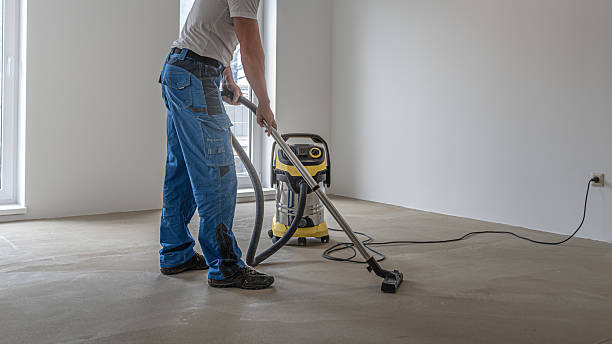
Strata cleaning in Melbourne typically costs from $[80–250] per week for a boutique block (one to two weekly visits), $[250–700] per week for a mid-size building, and $[1,500–4,000+] per week for towers with full amenity inventories on daily servicing. Expressed the way treasurers find most useful, that is commonly $[3–10] per lot per week depending on building type. Because every levy dollar is answerable to owners at an AGM, this guide goes deeper than ranges: what actually drives the numbers, the per-lot benchmarking that makes quotes comparable across unlike buildings, what a compliant quote must contain, the caretaking-consolidation economics, and the annual budgeting cycle a well-run committee follows.
[H2] Indicative Weekly Costs by Building Type (Melbourne, 2026)
| Building | Lots | Typical servicing | Indicative weekly | Indicative per lot/week |
|---|---|---|---|---|
| Boutique block | 6–20 | 1–2 visits | $[80–250] | $[6–13] |
| Mid-size building | 20–60 | 2–3 visits | $[250–700] | $[8–12] |
| Large building | 60–150 | 3–5 visits + amenities | $[600–1,500] | $[7–11] |
| Tower with amenity floor | 150+ | Daily + amenity schedules | $[1,500–4,000+] | $[8–15] |
Two patterns worth noting: per-lot cost is U-shaped — small blocks carry fixed visit costs across few lots, towers carry amenity inventories across many — and amenity floors, not lot counts, create the top of every range. A 200-lot tower without a gym and pool can cost less to clean than a 120-lot tower with both.
What Moves a Strata Quote: The Six Drivers
1. Common-property inventory.
A lobby-stairs-bins block and a tower with gymnasium, pool, sauna, end-of-trip facilities, residents’ lounge and multi-level parking are different services wearing one name. The inventory is the quote; list it before tendering.
2. Visit frequency.
Lifts and bin rooms, not corridors, should drive it — they fail first and most publicly. Boutique blocks: one to two visits weekly; mid-size: two to three; towers: daily.
3. Finishes.
Heritage terrazzo, original timber and premium stone take surface-correct (slower) care that an honest quote prices and a hollow one damages.
4. Exposure.
Waterfront and high-exposure buildings genuinely need shortened external glass and stainless cycles; an inland scope applied to an Esplanade building is structural underquoting, and the maintenance fund pays the difference later.
5. Reporting and administration.
Photographed condition reports, certificates of currency, SWMS and OC-formatted invoicing are part of the product; their absence is precisely why a quote is cheap.
6. Building regime.
Tower clearances, dock protocols and building-manager coordination add real time in Docklands- and Southbank-class buildings.
The Caretaking Consolidation Economics
Many committees buy three things separately: a cleaning contract, informal or paid bin arrangements, and call-out trades for minor items. A combined cleaning-and-caretaking agreement consolidates them — typically [10–25%] below the sum of the parts and the arithmetic is worth showing in committee.
Worked example (market-typical): a 40-lot building paying $[420]/week for cleaning, $[60]/week equivalent for bin handling, and averaging $[250]/month in minor call-outs (globes, door closers, access attendance) is spending ≈ $[2,330]/month. A consolidated caretaking agreement covering all three at $[1,950–2,100]/month saves [10–16%] in cash — before counting the earlier-defect-detection effect, where this week’s reported water mark is a repair and the AGM’s discovered one is a remediation project, and before pricing the committee hours returned.
[H2] The Committee’s Annual Budgeting Cycle
Well-run committees treat cleaning as a managed line, not a legacy one.
Quarter 1: review the year’s condition reports and rectification record — the evidence of what the line item bought.
Quarter 2: walk the building against the scope; adjust frequencies that usage has outgrown or outlived.
Quarter 3: confirm next year’s price (CPI-linked variation if contracted, or market-test every two to three years — annual re-tendering churns more value than it captures).
Quarter 4: table the scope, certificates and reports with the budget, so the AGM question — “what do we get for the cleaning line?” — is answered with documents rather than assurances. Per-lot-per-week is the benchmark to publish: owners understand $[9]/lot/week instantly, and it survives comparison gossip between buildings far better than raw totals.
The Per-Lot Benchmark in Practice (A Worked Example)
A 38-lot Prahran building pays $[480] per week for two visits — $[12.60] per lot per week, top of the mid-size band. The committee benchmarks before tendering: the inventory is lobby, two stairwells, bin room, small basement — no amenities — suggesting the building should sit nearer $[8–10] per lot. The tender, run against a freshly drafted scope, returns three compliant quotes at $[340], $[365] and $[390] per week — and one at $[210] missing a sample report and carrying a mismatched insurance entity. The committee awards at $[365] ($[9.60]/lot), saving $[5,980] a year against the incumbent while adding condition reporting it never had, and minutes the scoring matrix as its answer to any owner who asks why the $[210] bid lost. The benchmark did the work: per-lot arithmetic told the committee it was overpaying before a single quote arrived, and told it the outlier was an omission, not a bargain.
How to Compare Proposals Defensibly
Insist every contractor quotes against the same scope of works (a professional will draft one free if you lack it — we do, and you keep it regardless of who wins); require certificates of currency, police-check confirmations and SWMS with the proposal, not after award; ask for a sample condition report — the document, not a description of it; ask who attends, by name, and what happens on their leave; and convert every quote to per-lot-per-week before discussing totals. The cheapest proposal almost always fails one of these tests; price the gap honestly, because the committee, not the contractor, answers for it.
Building Age and Type: How They Move the Price
New buildings (0–2 years) carry a heavier first-year load than committees expect: construction dust resettles for months across a precinct, builder’s-finish surfaces need bedding-in care, and defect-period reporting is at its most valuable — budget the first year [10–20%] above the steady-state and let the scope step down.
Heritage and interwar blocks carry method costs, not laziness costs: terrazzo, original timber, leadlight and brass take specified, slower care, and the quote should say so line by line.
Amenity-rich contemporary towers carry the hygiene-schedule load described above — the amenity floor, not the lot count, sets their band.
Waterfront buildings carry the exposure cycles this guide keeps returning to, because salt converts skipped cleaning into capital expenditure. A quote that prices your building’s age and type generically has not read your building.
GST, Invoicing and the Treasurer’s View
Strata cleaning attracts GST; confirm every proposal’s GST treatment before comparison, and note that the OC’s ability to claim input credits depends on its registration status — a question for the OC’s accountant, not the cleaning contractor. Invoicing should arrive as one predictable line, formatted for OC accounting, on a monthly cycle that matches the levy rhythm; a contractor whose invoices the treasurer can reconcile in thirty seconds is exhibiting the same system quality that shows up in the cleaning. Multi-building strata managers should ask about portfolio invoicing — consolidated billing across managed buildings with per-building statements is a genuine administrative saving and a fair negotiation card.
What Cheap Strata Quotes Omit (The Audit List)
No scope or a one-line one; “insurances held” with nothing attached; no reporting system; rostered rather than dedicated personnel; an inland template offered to an exposed or heritage building; bin handling assumed onto residents; and invoices that arrive as generic trade dockets the treasurer cannot reconcile. Each omission is a future committee agenda item with your name on the minutes.
Frequently Asked Questions
How much does strata cleaning cost for a small block?
Market-typical, $[80–250] per week for one to two visits covering lobby, stairs, bins and surrounds — roughly $[6–13] per lot per week.
What is a normal strata cleaning cost per lot?
Commonly $[3–10] per lot per week across Melbourne building types, U-shaped by size: small blocks and amenity-rich towers sit at the top, plain mid-size buildings at the bottom.
Who pays for strata cleaning?
The owners corporation, from levies — a shared common-property expense under the Owners Corporations Act 2006 (Vic), not an individual resident cost.
How often should common areas be cleaned?
Boutique blocks one to two visits weekly; mid-size two to three; towers daily — with lifts and bin rooms driving the decision more than corridors.
Why was one quote half the price of the others?
Almost always a smaller product: no scope, no reporting, no dedicated cleaner, thinner insurance, or an inland scope on an exposed building. Compare documents and per-lot rates, not totals.
Is combined cleaning-plus-caretaking cheaper?
Usually [10–25%] below buying cleaning, bins and call-out maintenance separately — before counting early-defect savings and returned committee hours.
Should we re-tender every year?
No — market-test every two to three years; annual churn costs handover quality more than it saves. Use CPI-linked variations in between.
Do amenities really change the price that much?
Yes — gymnasiums, pools and end-of-trip facilities carry hygiene schedules sized to near-continuous use; the amenity floor, not the lot count, sets the top of the market ranges.
What should accompany every proposal?
Certificates of currency, police-check confirmations, SWMS, a sample condition report and the line-item scope — before award, without chasing.
How do we get an exact price for our building?
A walk-through, or send your current scope for a like-for-like quote — Cityview responds within one business day on 1300 813 066.
Should a new building budget more for its first year?
Yes — typically [10–20%] above steady state while precinct construction dust settles and builder’s finishes bed in, stepping down by agreement thereafter.
Does GST apply to strata cleaning?
Yes — confirm each proposal’s GST treatment before comparing them, and refer any input-tax-credit question to the owners corporation’s accountant rather than the cleaning contractor, since the answer turns on the OC’s own registration status.